In an endeavour to explore some of the lovely parkland that London has to offer, we decided that for an anniversary activity, it was time to tick off Kew Gardens. Beyond a small escape from the concrete jungle, we were excited about exploring a UNESCO World Heritage site!
If you’re not familiar with Kew Gardens, it’s basically a huge botanical garden in southwest London. In fact, it houses the largest and most diverse botanical and mycological collections in the world!
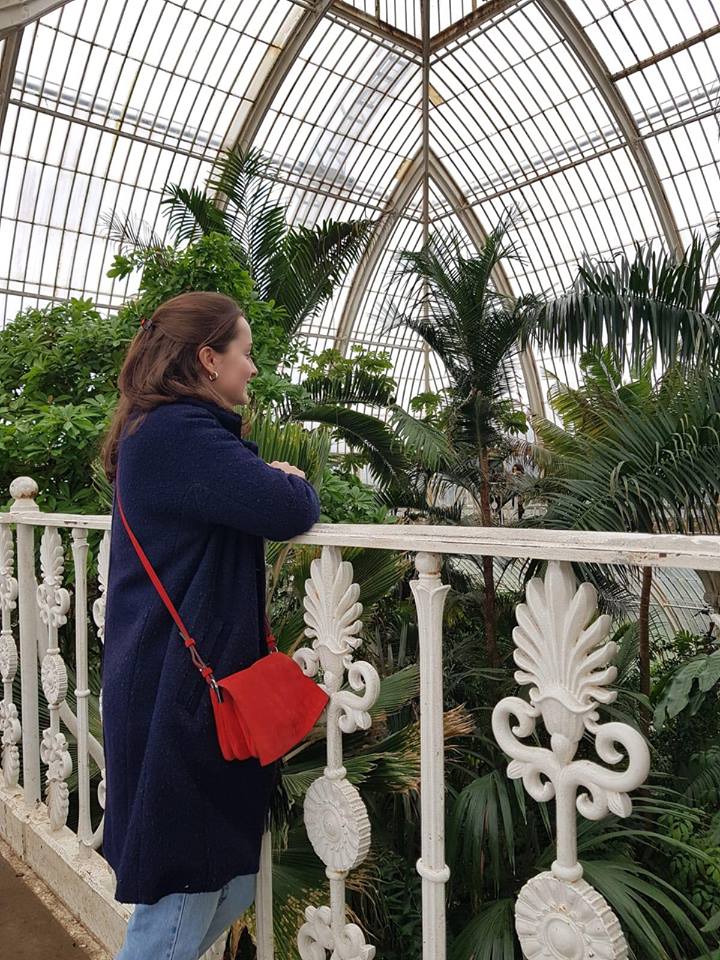
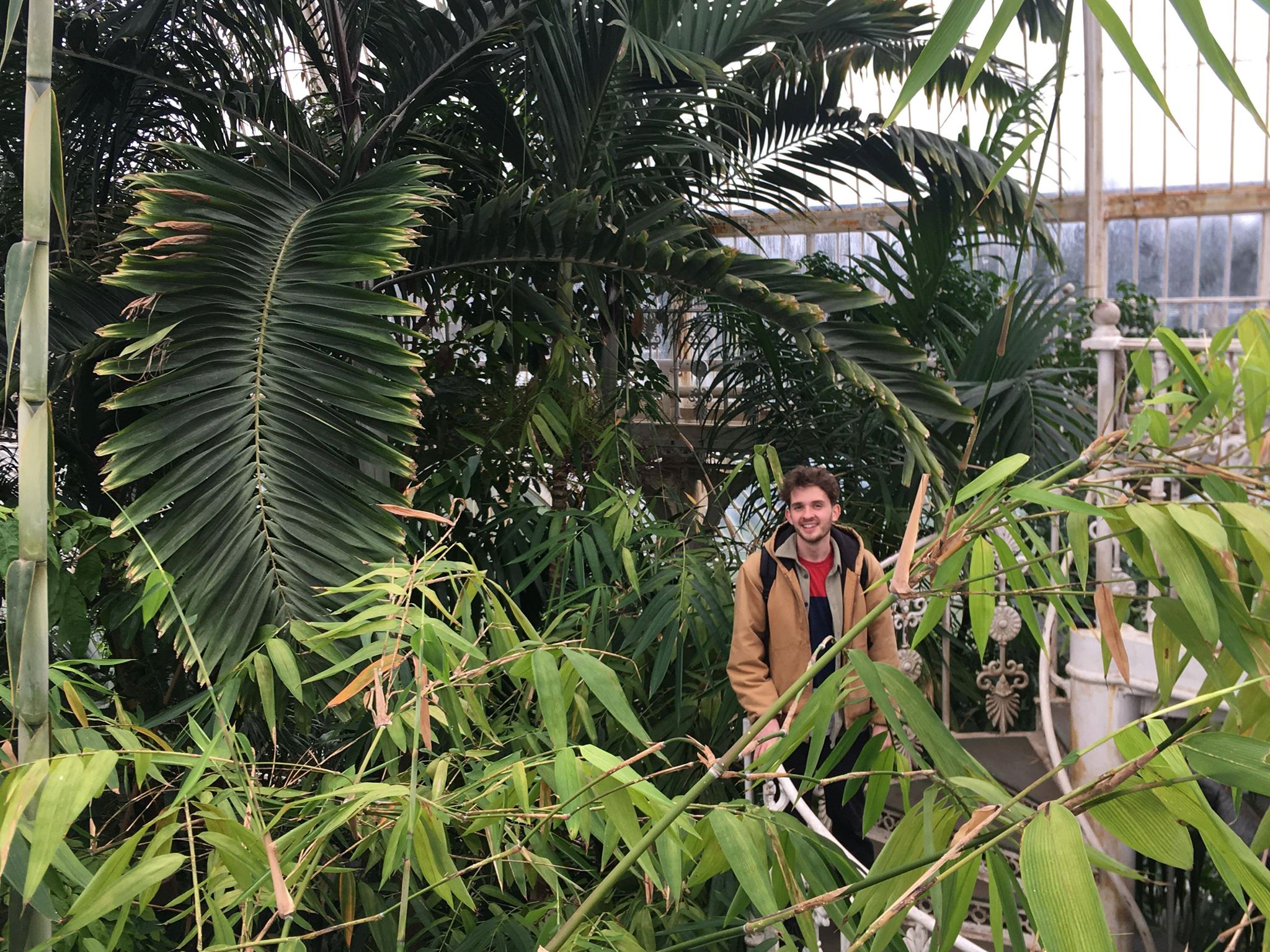
Daunted by a slightly grey and rainy day, we headed straight for the glass houses. First we visited the Palm House which was home to some flipping huge palms. The house was what we called a ‘double decker‘, with an elevated viewing floor accessed via iron spiral staircases engulfed in floral climbing vines.

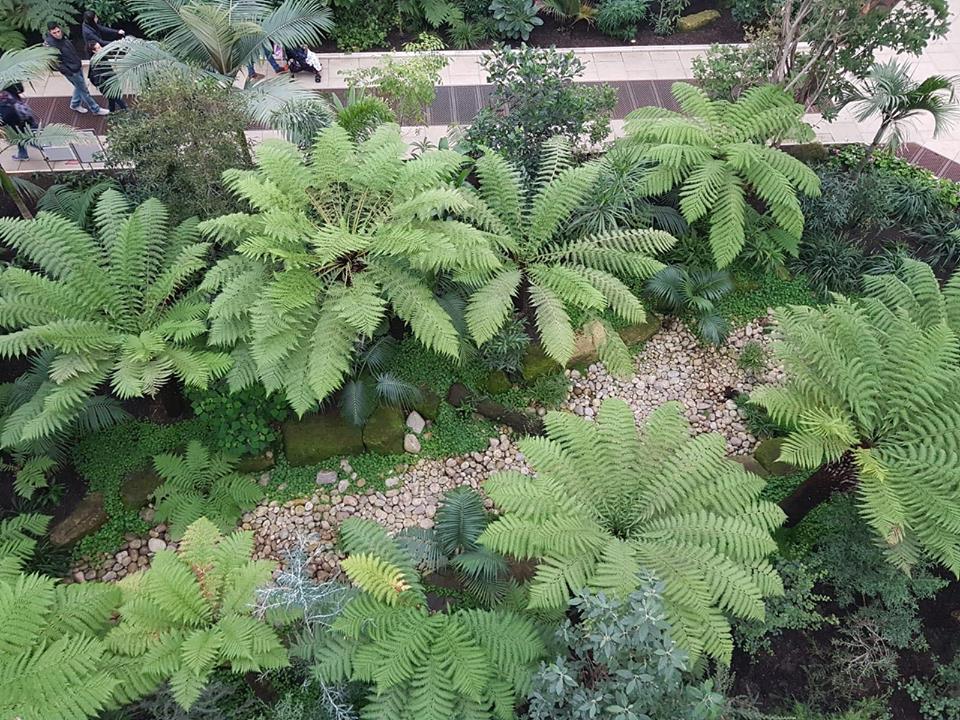
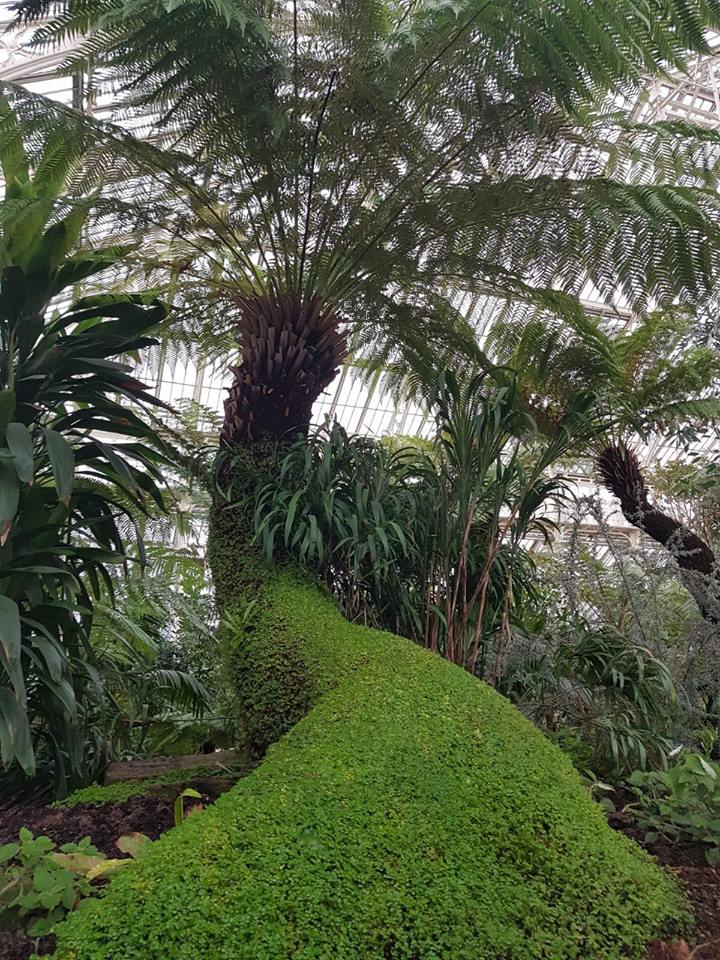
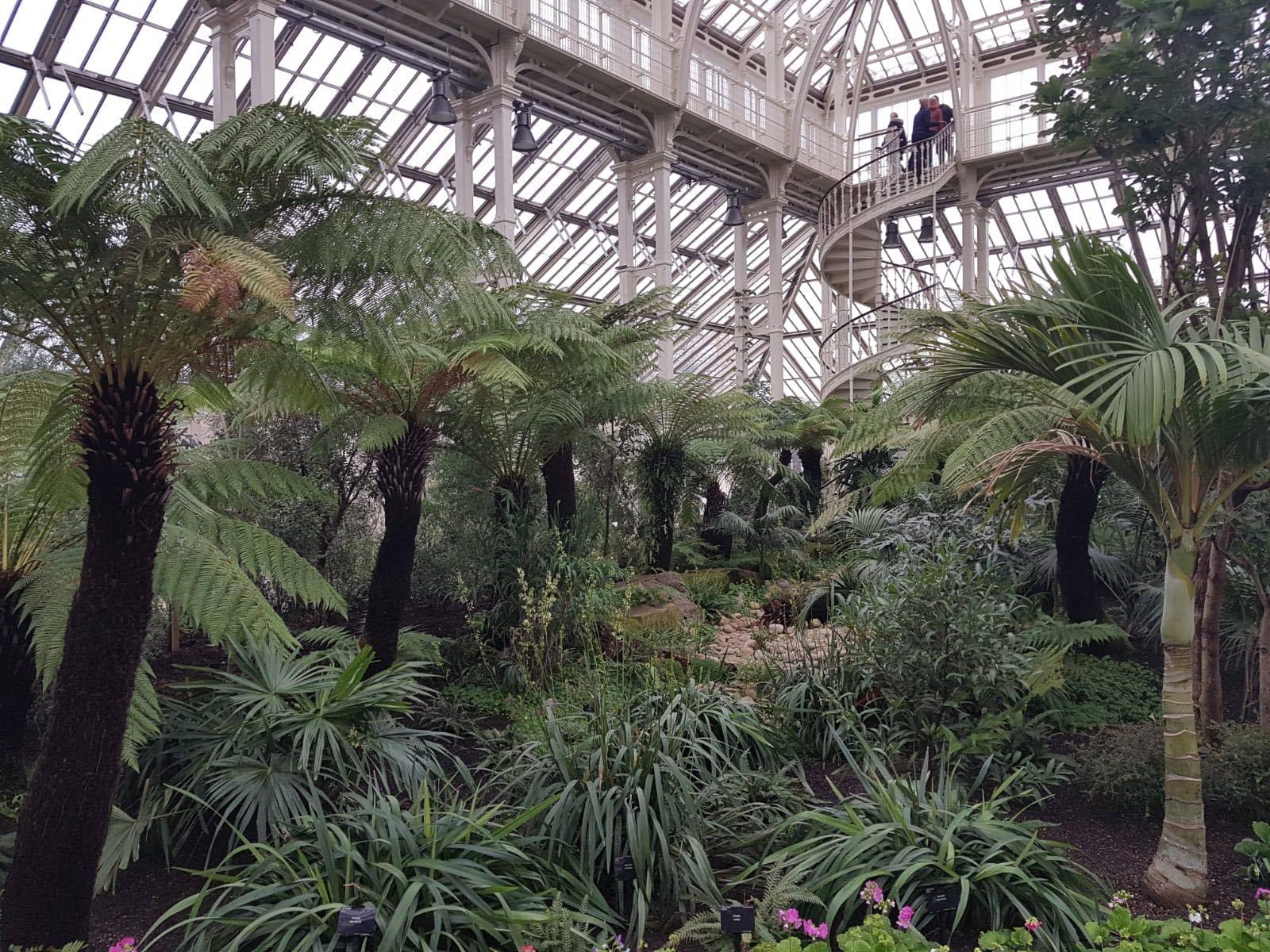
Later, we explored The Temperate House, the largest Victorian glasshouse in the world; dating back to 1860, it holds an internationally notable collection of temperate zone plants, including some of the rarest and most threatened. Also a double decker, it was cool to see an abundant fern section from above. Isaac was particularly excited to see some fine old tree fern specimens (Dicksonia antarctica), of which he has a young one of his own in his garden.

There was a very exotic looking orchid exhibition on, but unfortunately the enormous Kew queues denied us access!

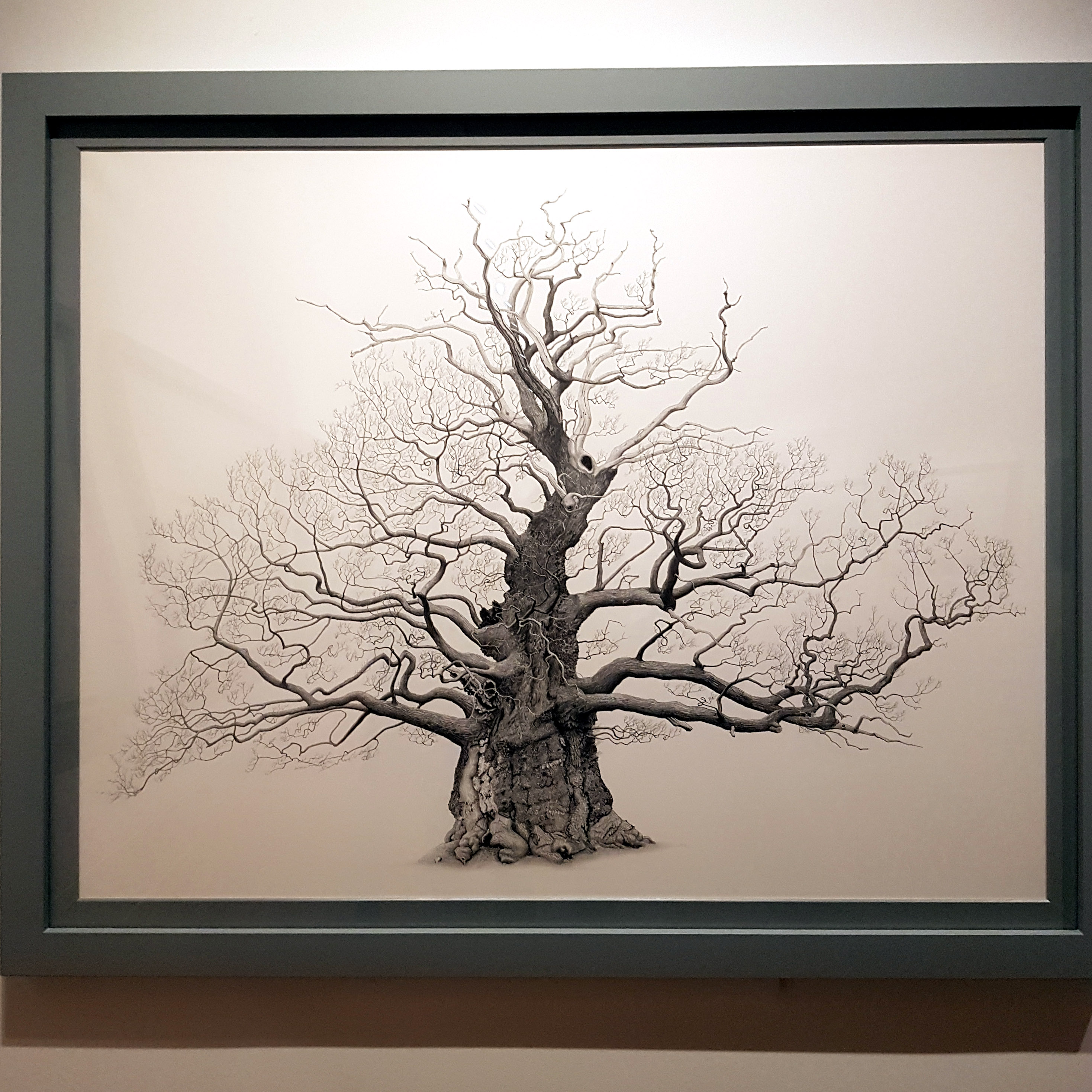
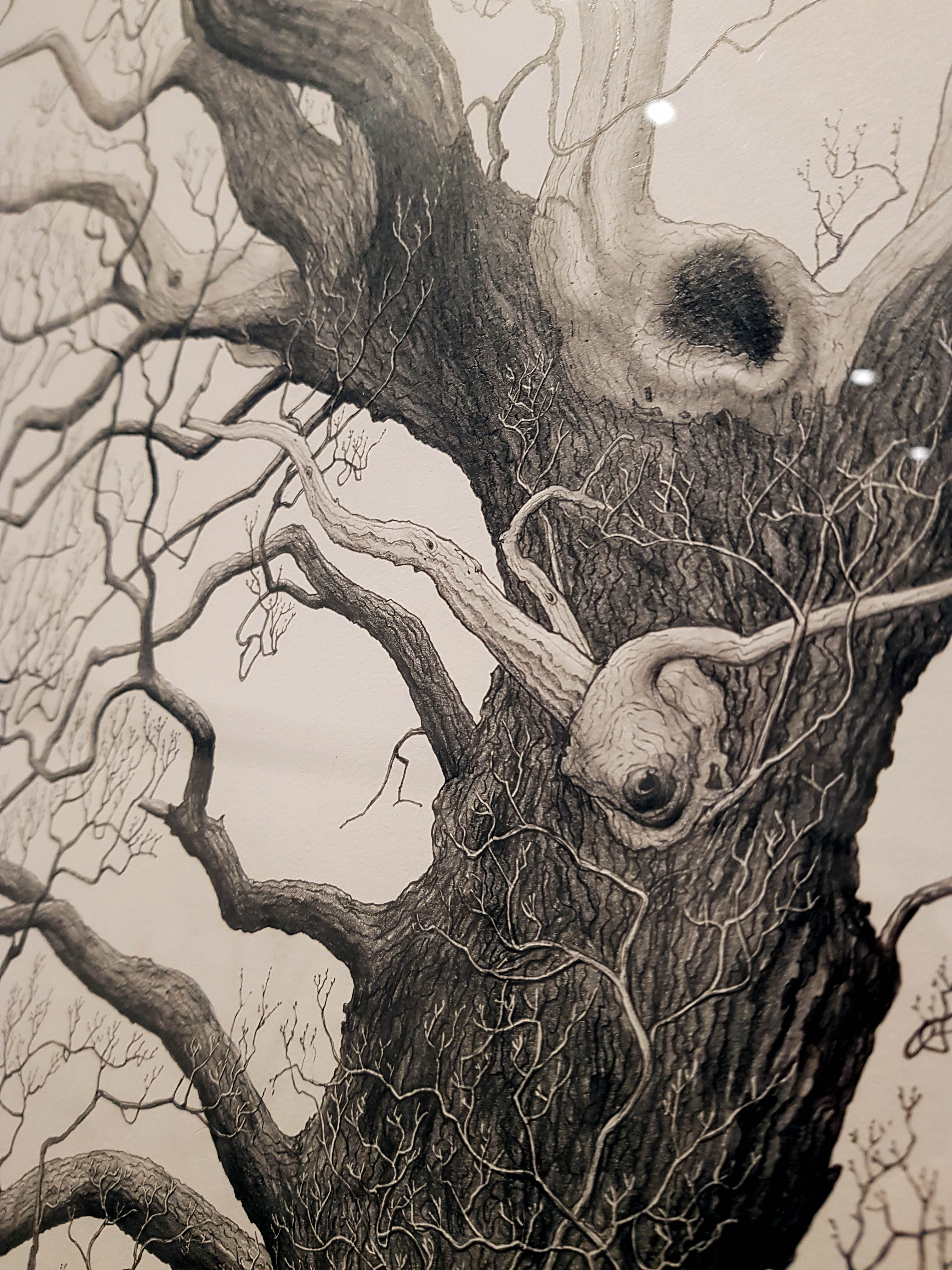
Instead, we made our way over to a more permanent exhibition showcasing some beautiful botanical art. Here, we thoroughly enjoyed A Legacy of Ancient Oaks , a collection of gorgeous line drawings of English oak (Quercus robur) by the artist Mark Frith. Hopefully future blog posts will detail adventures in search of some of these characteristic old trees.
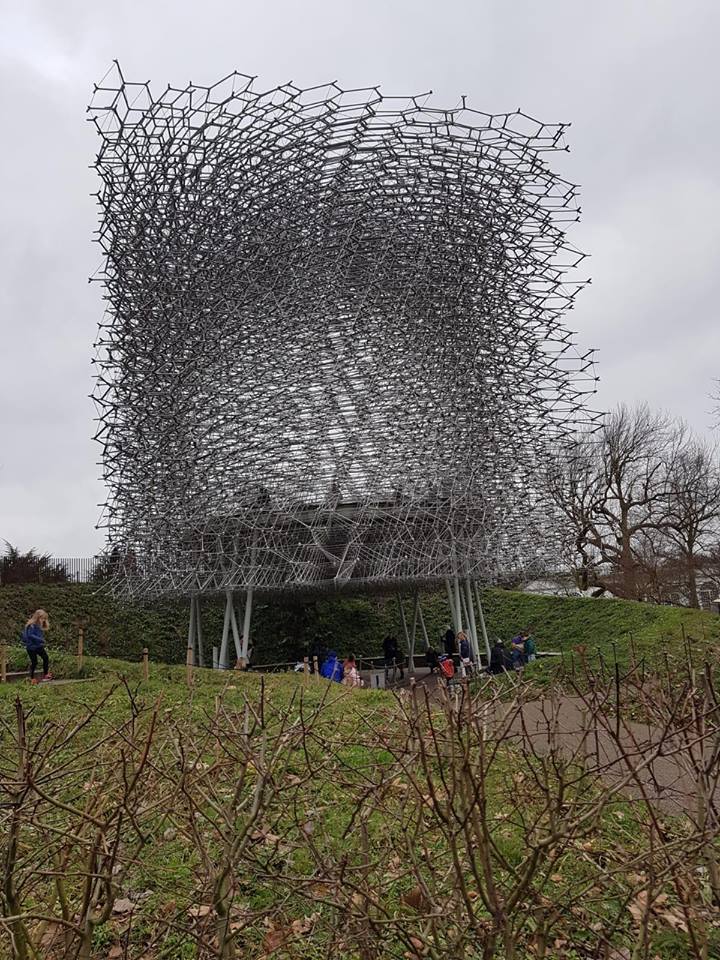
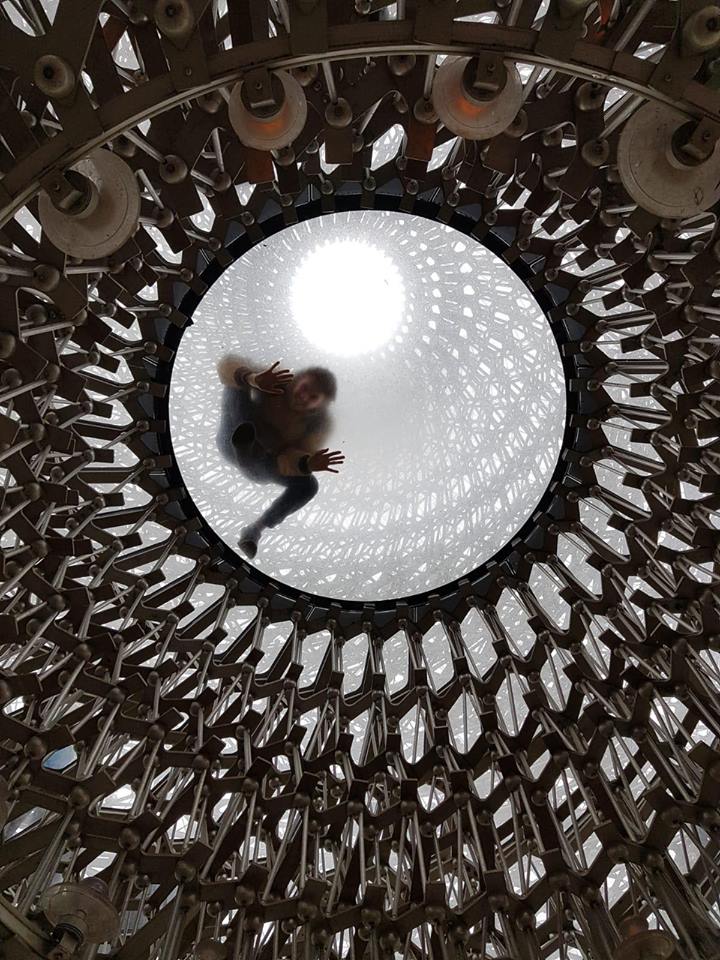
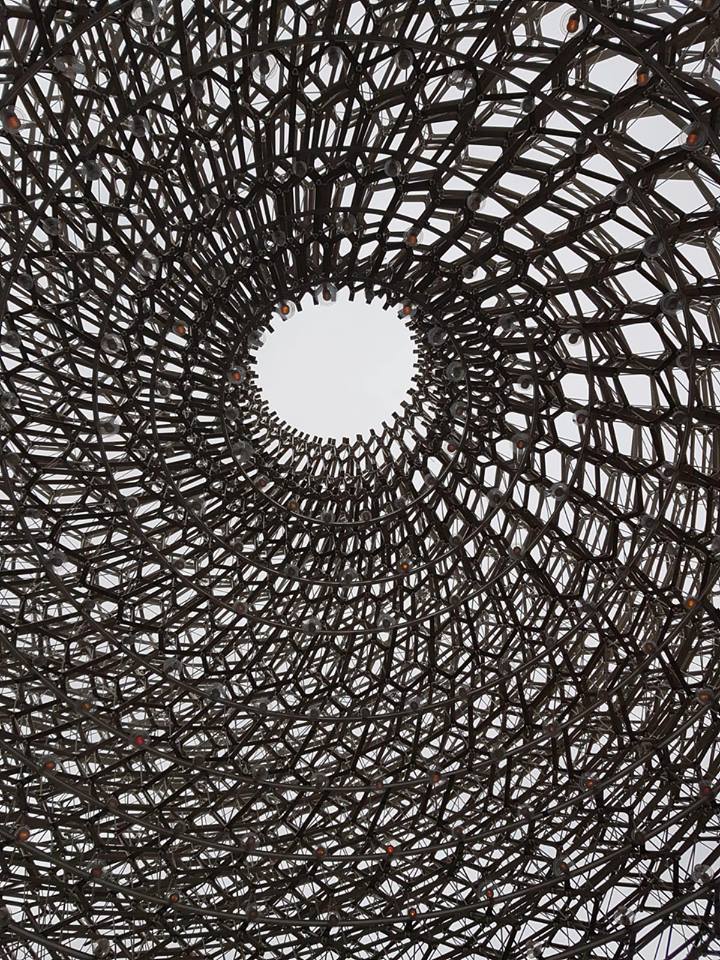
One of the main attractions for us was the multi-award winning Hive. Inspired by scientific research into the health of honeybees, it is made like a giant artificial bee hive into an immersive sound and visual experience situated in an abundant wild flower meadow. (As an aside, it was designed by a rather fantastically named Wolfgang Buttress.) Inside the Hive, you see lights and hear sounds triggered by bee activity in a real beehive elsewhere in the gardens. An incredible structure, it’s 17 metres tall, constructed from 170,000 aluminium parts, 1,000 LED lights and has a fun viewing panel at the bottom.
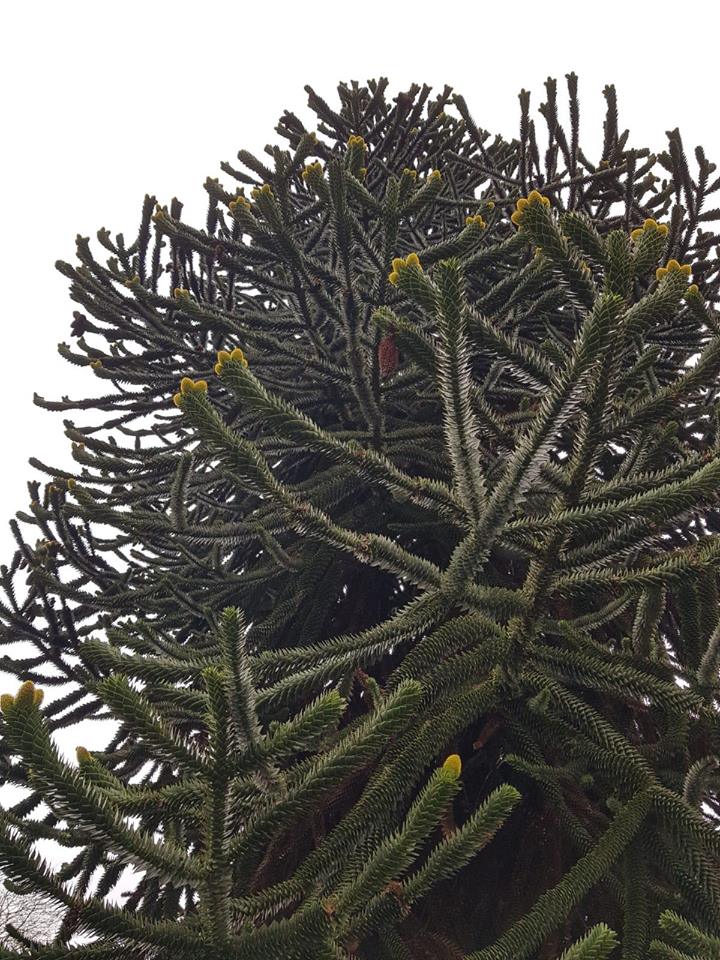
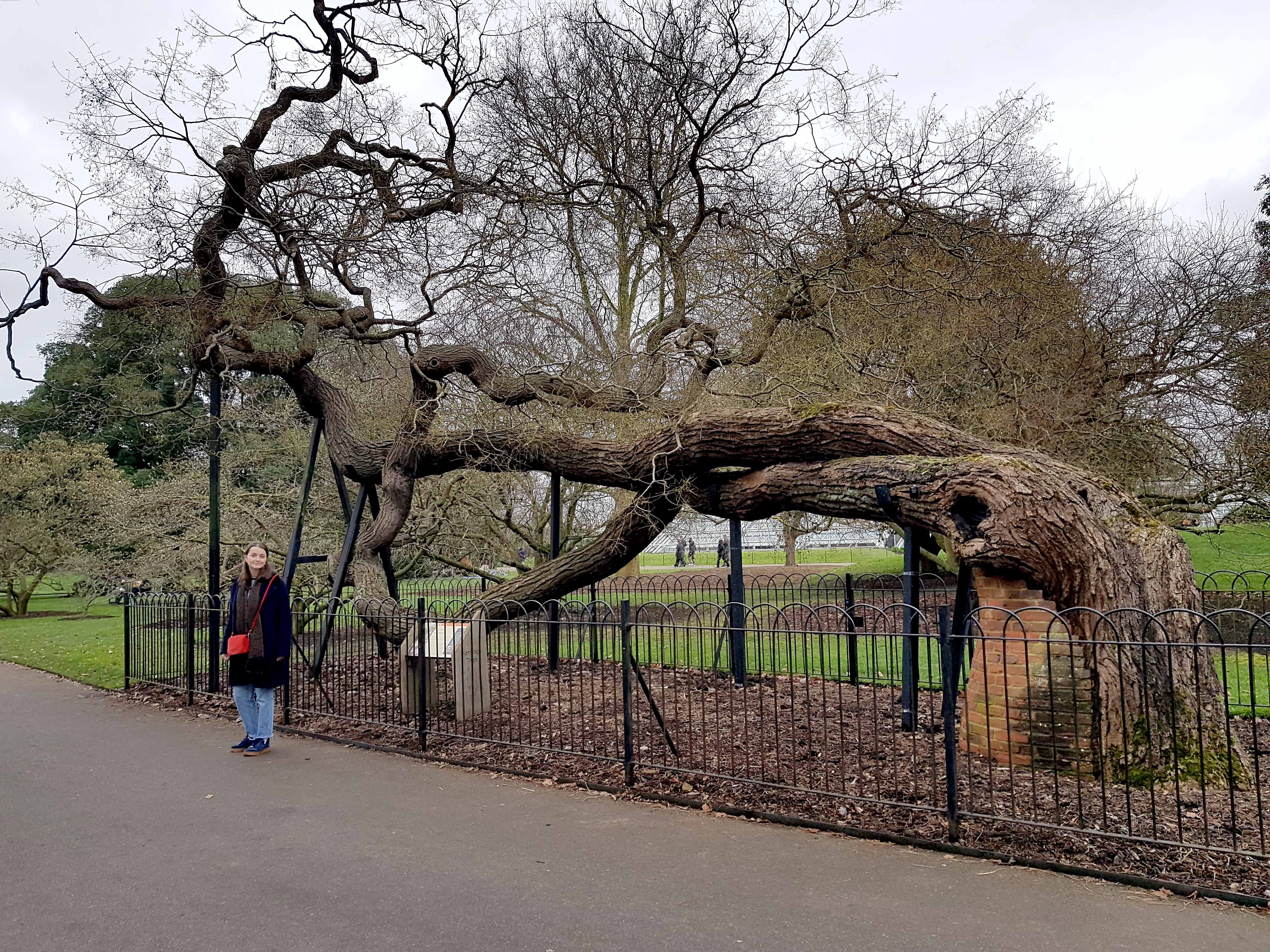
There were a couple of other noteworthy trees we stumbled across in the grounds, including an enormous and fruiting monkey puzzle tree (Araucaria araucana), as well as one of Kew’s ‘Five Old Lions’, a 317 year old Japanese Pagoda tree (Styphnolobium japonicum) (thought to be planted in 1702 when the gardens were a mere five acres) supported by a brick wall!
Overall, we would definitely recommend a visit to Kew. It’s so easy to get to from central London – after just 30 minutes on the train you feel like you’ve been parachuted into a magical botanical land. Top tip – make sure you arrive early if there’s a particular exhibition on that you want to see so as to avoid the Kew q’s!
 Nice Stuff We Do