Spring is here, and with it are the carpets of bluebells that flood our woodlands with an indigo haze.

In our home county of Suffolk, Emily and I are very lucky to have easy access to a number of the cherry, hazel and beech woodlands that are so favoured by the wild hyacinths (Hyacinthoides non-scripta). Throughout April and early May, as much time as possible is spent wandering through the dappled light, letting the sweet, almost honey-like scents fill our heads, whilst wild garlic (Allium ursinum) compliments with its gentle pong*.
The video below shares a glimpse of one of our morning walks through a secret and very small woodland (known locally as ‘The Grove’); whilst the clips do their best to capture the pretty sights and sounds of April’s woodlands, they sadly can’t provide the smell!
Despite their fondness for ‘ancient’ woodland, bluebells are actually relatively widespread and resilient, and can be enjoyed in many places around the UK in habitats new and old. A quick internet search for something along the lines of ‘bluebell woodland near me’, or trawling the locations on your Instagram’s #bluebells feed should provide you with a reasonably good idea of where to go! Generally though, aim for relatively dense looking, deciduous woodland, with patches of shade and open ground. During their flowering season (mid-April to early-May), just keep your eyes peeled for expanses of blue amongst the treetrunks as you’re out and about – if they’re there, they’re not too hard to spot!
N.B. We wanted to note that no bluebells were harmed in the filming of this video. We very carefully stepped along a well-used badger path which meandered off the main footpath, where the plants were already either crushed or uprooted by snuffling furry bodies. Please be careful of the delicate flowers if carrying out similar endeavours!
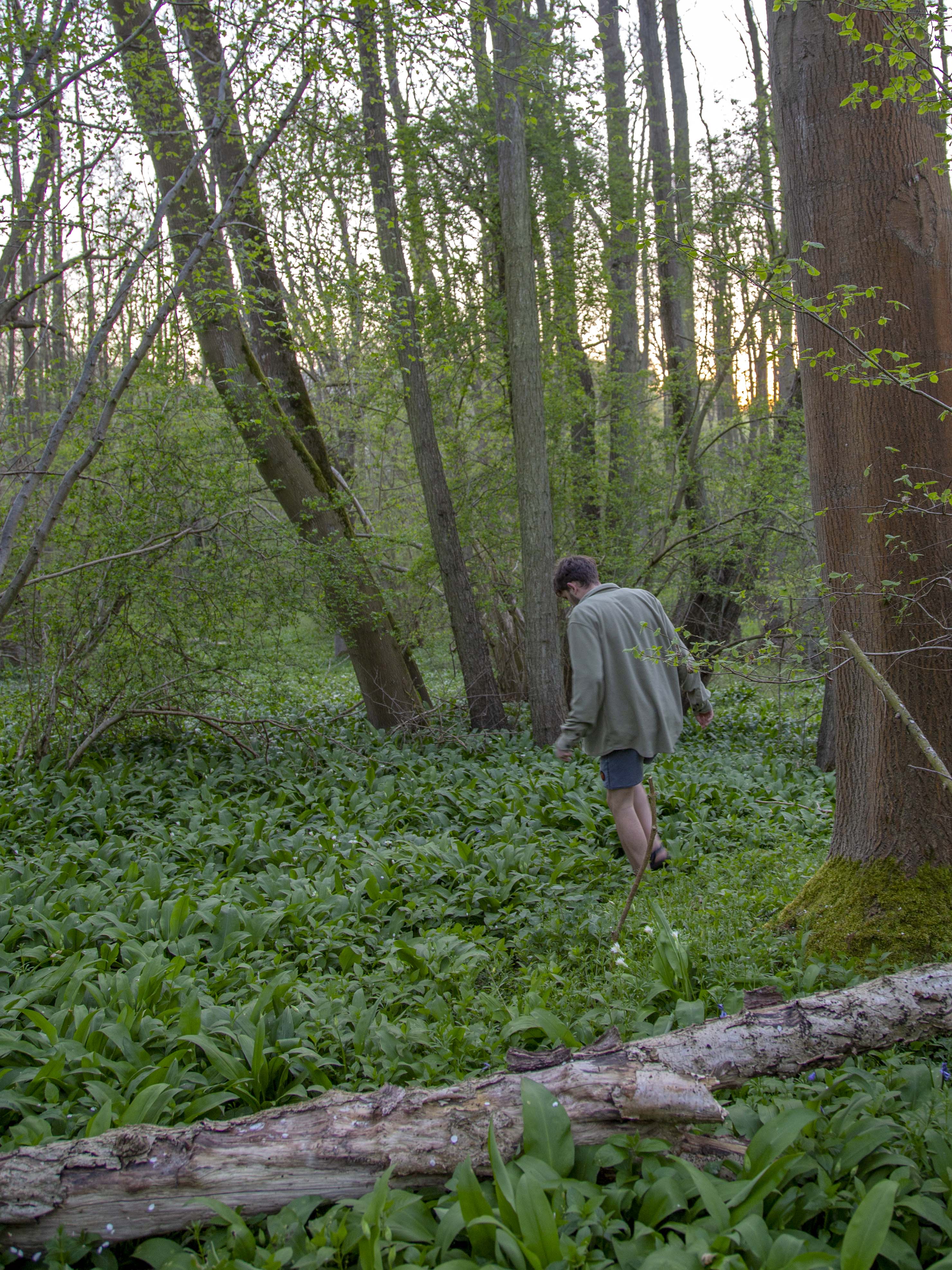
*Wild garlic, also commonly known as ramsons, is a particularly delicious wild plant. Its leaves (which are best picked before flowering) can be blended raw into fresh pestos, or lightly fried in butter or oil as a light but flavoursome substitute for normal garlic. It is very high in vitamins A and C, so if you’re feeling lacking in either of these or just want a new flavour, then let us know and we can send you over some recipes!

 Nice Stuff We Do